
Uniswap, a decentralized exchange (DEX) that has revolutionized the way we trade cryptocurrencies, removing the need for a middleman. It’s a platform that leverages the decentralized nature of the Ethereum blockchain.
What is a Decentralized Exchange?
As we have mentioned in our Introduction to DeFi. Decentralized exchange (DEX) is an exchange that allows for the direct peer-to-peer trading of cryptocurrencies on the Ethereum blockchain, removing the need for a third party. Imagine a traditional stock exchange, where buyers and sellers come together to trade stocks. However, instead of a physical building, the exchange takes place on the Ethereum blockchain and instead of a central authority overseeing the trades, smart contracts handle the matching of buyers and sellers and the execution of trades
Centralized Exchanges such as Binance and Coinbase are middle-men (third party) who manage your cryptocurrency and are in possession of it. They also require you to have an ID verification.
Importance of Uniswap
As we now know Uniswap is DEX that runs on the Ethereum blockchain for trading ERC20 tokens. Most exchanges are created for the purpose of taking trading charges, however because Uniswap works for public welfare, Uniswap members can exchange tokens easily and cheaply by removing the need of paying any platform charges, or dealing with negotiators.
Another important factor to look at when using Uniswap is the ability to access and trade a wider range of assets such as Non-Fungible tokens (NFTs) alongside ERC20 tokens which can then be used in Decentralized Autonomous Organizations (DAOs), with uses ranging from investing to betting and much more.
How Uniswap Works
Uniswap uses a unique mechanism called automated market making (AMM) to facilitate trades, unlike other decentralized exchanges. As with our previous explanation, imagine a big marketplace where buyers and sellers come together to trade stocks. In contrast, Uniswap is a DEX marketplace, where trust is established through code an cryptography rather than intermediaries. Similar to that of a vending machine where instead of physical goods, you insert one type of crypto and recieve another type of crypto in exchange.
In this vending machine, there are two compartments, one for trading a crypto you don’t want for a crypto that you want. In Uniswap, these compartments are called liquidity pools. Each pool is composed of two tokens. Each pool is composed of two tokens (both compartments), and the ratio of these tokens in the pool represents the exchange rate.
Now, imagine you want to trade your token A for token B. You go to the vending machine, insert your token A in the compartment for token A, and receive token B from the compartment for token B, based on the exchange rate in that liquidity pool.
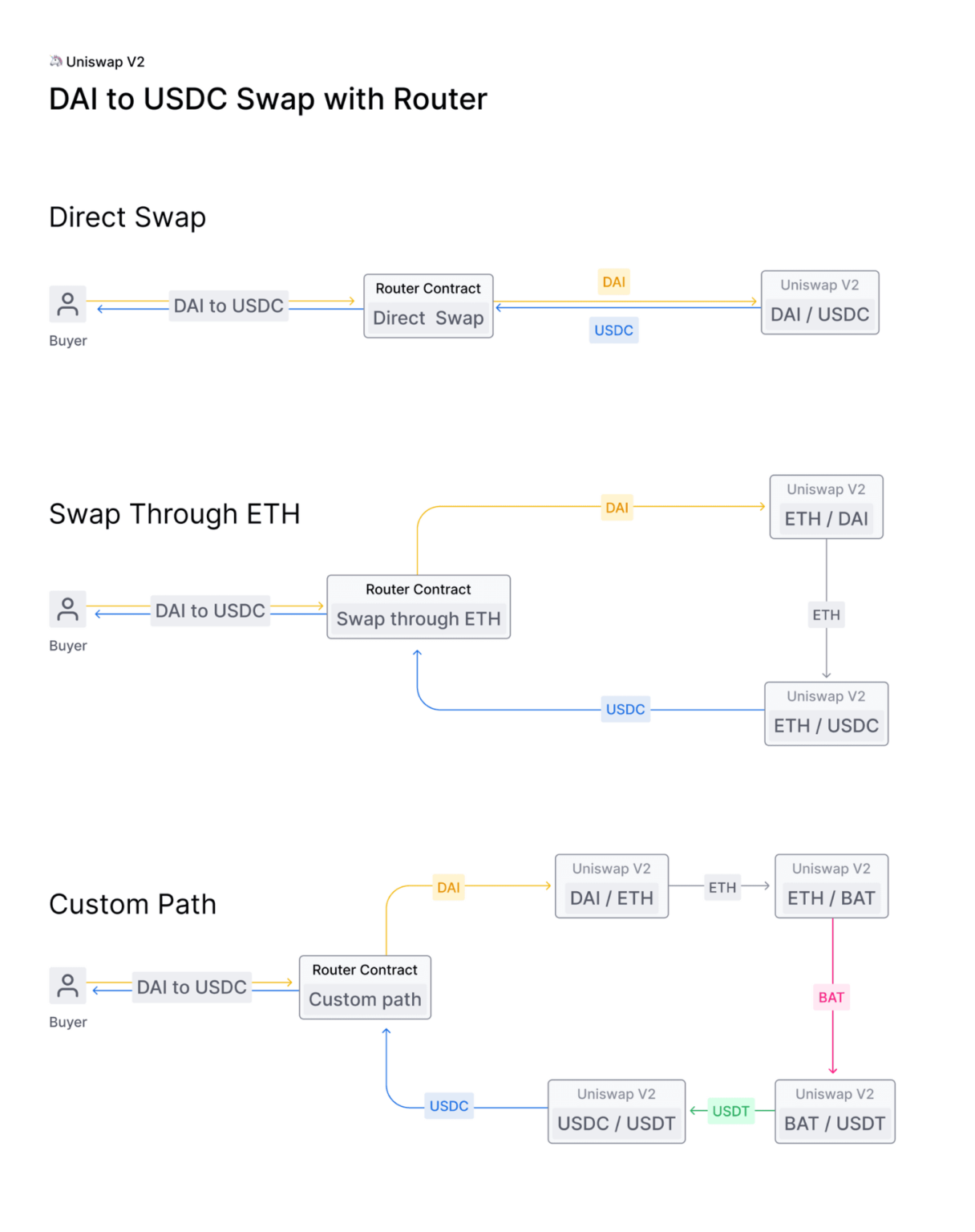
This is where Uniswap differs from other DEXs, it does not rely on an order book like a centralized exchange, it uses a smart contract to automatically match the best price for the user based on the current liquidity pool. The smart contract also handles the execution of the trade, and the tokens are automatically exchanged in the pool.
Additionally, Uniswap allows users to provide liquidity to the pools and earn a share of the trading fees as reward. This mechanism creates a self-sustaining ecosystem of liquidity providers, traders, and developers, all working together to make the exchange more efficient and liquid.
Setting Up Uniswap
Now that we understand a little bit about about how uniswap works we will begin setting up our profile to enable us to start trading on the Decentralized Exchange.
Step 1: Launching the App
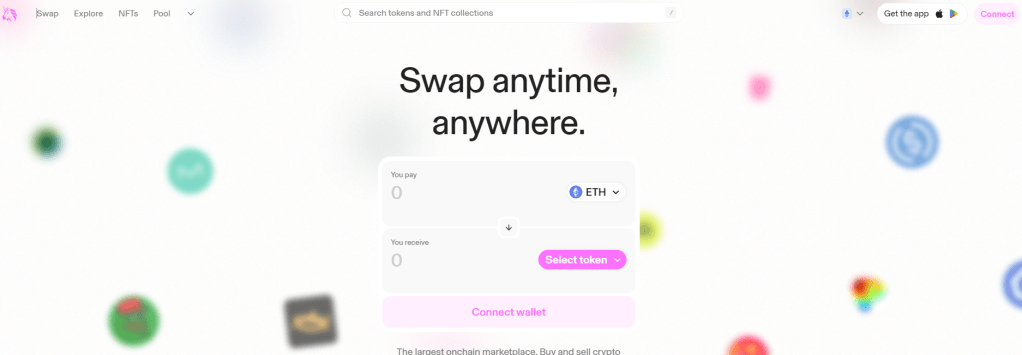
Click on the “Connect wallet” button shown on the Uniswap landing page. This will direct you the next page where you will connect your wallet to the DEX.
Step 2: Connecting Your wallet
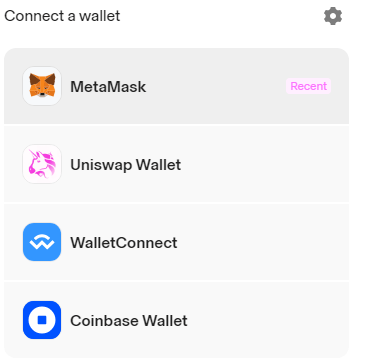
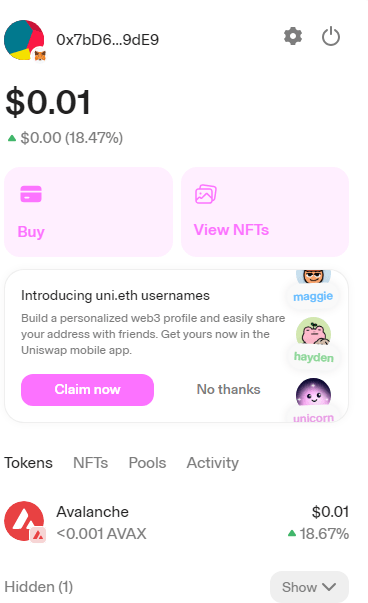
A side panel will be displayed for you to connect a wallet. In our case we will use the MetaMask wallet to connect to UniSwap, if you have other the other wallets shown below its just as easy as using those instead. If you don’t have a wallet checkout our MetaMask guide to get you started on your first crypto wallet. On the left once you connect your Metamask you will be provided with your wallets details.
Steo 3: Swapping Tokens on Ethereum Network
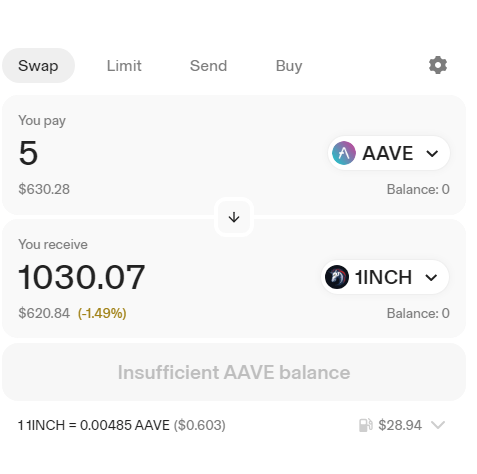
Now that we are set on the Etherum chain, we can decide what we want to swap. One compartment is the token you wish to exchange and the other compartment is the token you wish to trade for. Uniswap uses a pool-based system, which means that you can trade one token for another. When you choose a trading pair, you will see the current exchange rate for that pair. In this scenario the gas fee is $28.94.
Step 4: Other Networks
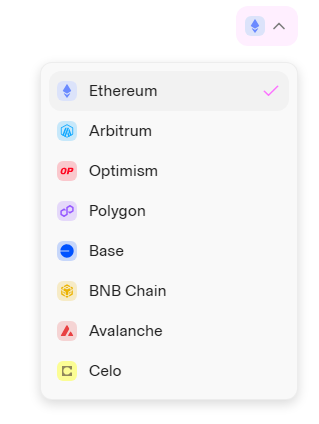
You have the option next to your account details to change the network from Ethereum to either, Optimism, Polygon, Arbitrum, or Celo. Although they all run on the Ethereum Network, they have different use cases which will be discussed. The network you choose is located next to your wallet.
Note: All transactions on Uniswap are executed on the Ethereum Network. Imagine Ethereum as the road that leads to a neighbourhood filled with tall skyscrapers, representing the mature and well established Ethereum Network. Uniswap is located in this neighbourhood allowing users to trade and exchange crypto on the Ethereum network.
Optimism

Optimism can be thought of as a neighbourhood filled with modern and innovative buildings, which represent the Optimism Network. This neighbourhood is known for its fast and low-cost transactions, making it an ideal location for DeFi applications and services. Uniswap can also be accessed in this neighbourhood, offering users fast and cost-effective trading and exchange services.
Polygon
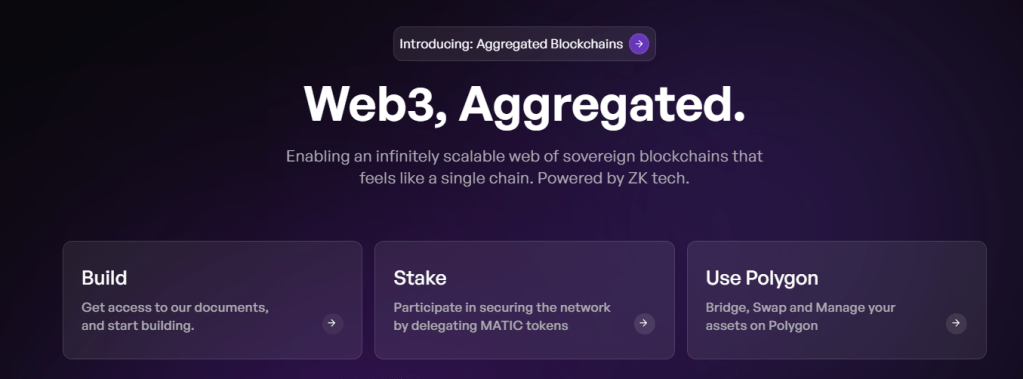
Polygon can be thought of as a neighbourhood filled with diverse and vibrant structures, representing the Polygon network. This neighbourhood is known for its scalability and speed, making it a popular choice for DeFi applications that require high throughput. Uniswap can also be accessed in this neighbourhood, providing users with fast and scalable trading and exchange services.
Arbitrum

Arbitrum can be thought of as a neighbourhood filled with robust and secure buildings, representing the Arbitrum network. This neighbourhood is known for its security, privacy, and speed, making it an ideal location for sensitive DeFi applications. Uniswap can also be accessed in this neighbourhood, offering users secure and fast trading and exchange services.
Celo

Celo can be thought of as a neighbourhood filled with accessible and inclusive buildings, representing the Celo network. This neighbourhood is known for its focus on financial inclusion and accessibility, making it an ideal location for DeFi services that cater to the needs of underbanked populations. Uniswap can also be accessed in this neighbourhood, providing users with fast and accessible trading and exchange services within the Celo ecosystem.
Final Thoughts
To sum up, Uniswap is a decentralized exchange that uses a unique mechanism called automated market making (AMM) to facilitate trades, it does not rely on an order book like centralized exchanges, instead, it uses smart contracts to automatically match the best price for the user based on the current liquidity pool and allows users to provide liquidity to the pools and earn a share of the trading fees as reward.
Ethereum is the original network for Uniswap, but it has since expanded to other networks such as Optimism, Polygon, Celo and more. Each network offers different features, trade-offs, and trade execution speeds. Ethereum is the most widely used and established network, while Optimism and Polygon are Layer 2 scaling solutions that aim to improve the speed and cost of trades on Ethereum. Arbitrum is a Layer 2 scaling solution for Ethereum that also provides privacy features. Celo is a separate blockchain network that focuses on providing financial accessibility and stability to its users. By using different networks on Uniswap, users can trade various assets, and benefit from the unique advantages each network offers.
Uniswap, apart from token swapping, also has features such as liquidity provision, where users can add liquidity to a pool to earn fees, and governance, where users can participate in the decision-making process and proposal voting of the platform
 Wondamo
One thought on “How to Use Uniswap: Setting Up Your First DEX”